Around November, our messages start to change. In summer people ask about the best time of day. In winter they ask something closer to: is the water warm? Can I really learn to surf in December?
Many of these messages come from Stockholm, Copenhagen, Oslo, Helsinki and Amsterdam. People who by mid-November have seen the sun a handful of times and would like to see it a few more. We understand. Blanka grew up with Central European winters, which are not Nordic, but grey enough to know the feeling.
Light: the thing you notice first
At the winter solstice, Lisbon gets about nine and a half hours of daylight. Stockholm and Oslo get about six, Helsinki a little less. On paper that does not sound like much, until you wake up and the sun is already coming up over the hills behind the beach.
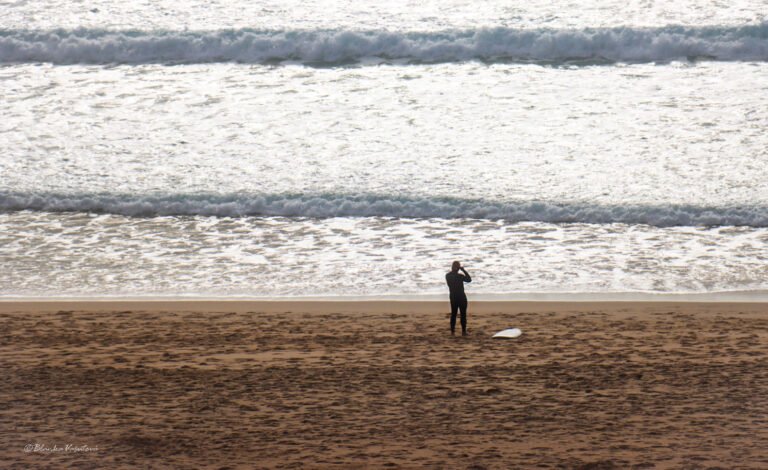
In practice this means a winter day here has room for a surf lesson in the late morning, a long lunch, a walk along the cliffs and a sunset over the Atlantic before dinner. The light is low and soft all day, which photographers love and which makes the water look very blue.
How cold is the water, really?
Colder than your holiday photos from August suggest, warmer than the Baltic. From November to December the water around Santa Cruz near Lisbon is usually about 15 to 17°C, and in February and March about 14 to 15°C. It changes from year to year, but not by much.
The air is the part people misjudge. On a sunny winter day it can feel like spring, especially out of the wind. On a grey, windy day it feels like what it is: winter by the ocean. What you feel most is the ten minutes after the session, when you are wet and the wind finds you. Bring a warm hoodie, a hat and something hot to drink, and those ten minutes become part of the fun.
In the water you wear a winter wetsuit. It keeps you warm enough to keep paddling, though nobody will mistake it for a sauna.
Waves: bigger swells, emptier beaches
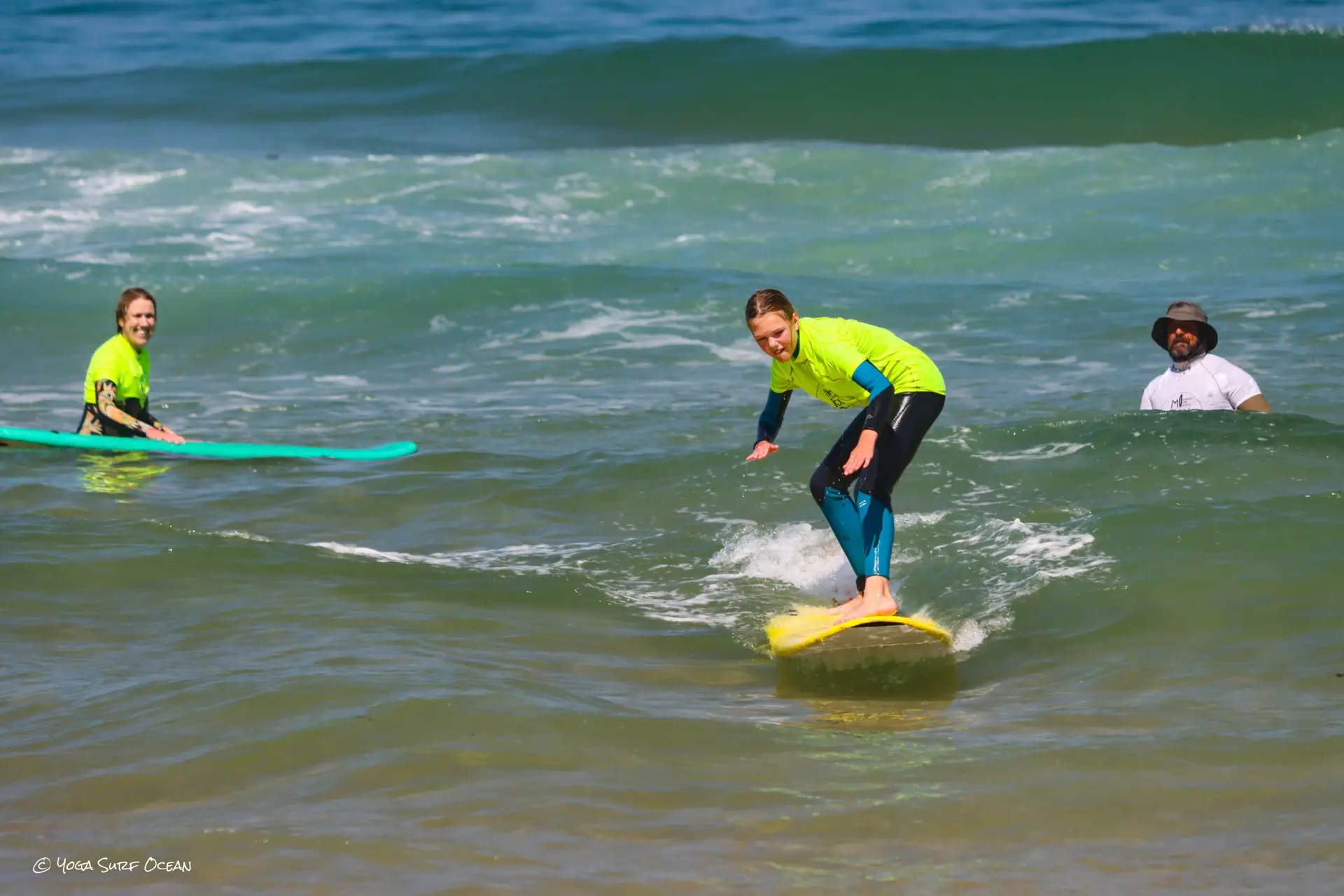
Winter is when the Atlantic sends its strongest swells. On the biggest days the open beaches are not for beginners. Beginners learn in the whitewater close to shore, and there is whitewater here every day of the year.
Around Santa Cruz there are several beaches facing slightly different directions, most of them beach breaks with sandy bottoms. Every morning Luís looks at the tide, the swell and the wind and picks the spot where the waves suit the group’s level. On a big day that might be a more sheltered corner of a beach. On a small, clean day it might be the main beach in front of the village. Sometimes it is a short drive to a beach that works better that day.
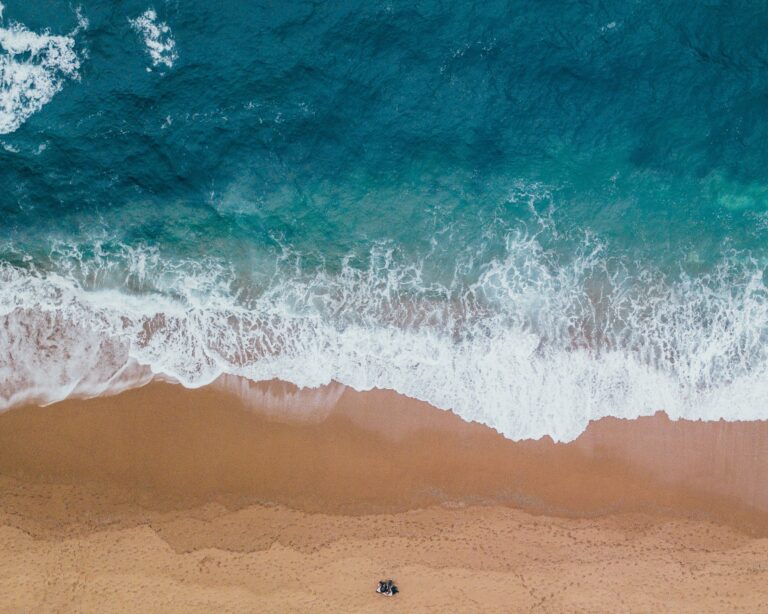
What winter gives you is space. In summer a beginner shares the whitewater with a lot of other beginners, while in winter you often share it with your instructor and one or two others. You catch more waves and learn faster, and fewer boards around you also makes it safer.
What if the weather turns?
It will, at some point. Winter in Portugal has sunny weeks and it has rainy spells when a storm comes through. Rain on its own does not stop a lesson; you are going to be wet anyway. Strong onshore wind or a swell that is too big for your level does.
That is why we plan lessons day by day and why we like guests who give themselves a little flexibility. If you come for five days, book two or three lessons and let us place them on the best days. If a day is not safe, we move the lesson. We would rather change a plan than put a beginner in the wrong conditions.
Planning a short winter surf trip
Most Nordic and Benelux capitals have direct flights to Lisbon, usually somewhere between three and five hours depending on where you start. From Lisbon airport it is about an hour by car to Santa Cruz, in Portugal’s Oeste region (Torres Vedras), between Ericeira and Peniche. Many people rent a car, which also makes it easy to explore the coast on the days you are not in the water.
A long weekend is enough to try surfing and find out if you like it. Four to seven days is better if you want to leave with something you can build on at home or on your next trip. A rough rhythm that works well in winter:
| Day | Plan |
|---|---|
| Day 1 | Arrival: settle in, walk the beach at sunset, look at the waves together if you like |
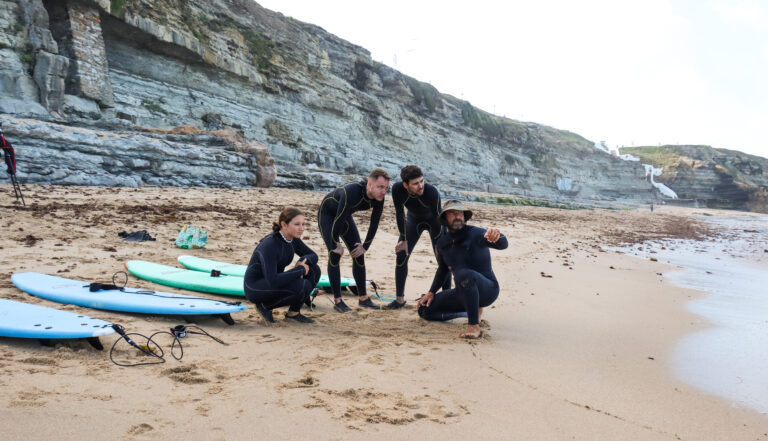
| Day 2 | First lesson: safety, reading the water, first rides in the whitewater |
| Day 3 | Rest your arms, explore Ericeira or Peniche, or join a yoga class |
| Day 4 | Second lesson: standing up more often, first turns along the wave |
| Day 5 | A day off the board: a cliff walk, Óbidos or a long lunch by the sea |
| Day 6 | Third lesson on the best day of the forecast |
| Day 7 | A fourth lesson if you want more, or a slow morning on the beach before the drive back to Lisbon |
Lessons are 1.5 hours, in small groups or private, and taught in English, which is rarely a problem for anyone from the north.
What to pack for winter surfing in Portugal
You do not need any surf gear for a lesson. For everything around it, pack the way you would for a cool, bright spring in the north:
- a warm hoodie or fleece and a hat for after the session
- a light rain jacket
- swimwear to wear under the wetsuit, a towel, sunscreen (the winter sun is still strong here)
- a thermos, if you like your tea hot on the beach
If you already surf and bring your own board, a 4/3 wetsuit is the usual winter choice here, and some people add booties on the coldest days.
Is winter a good time for a first lesson?
Yes, if you come with the right expectations. The water is cooler and the weather less predictable than in summer. In exchange you get empty beaches, a lot of attention from your instructor and waves you do not have to share with half of Europe.
If you are still deciding when to come, our guide to surfing in Portugal by month shows how water, waves and crowds change through the year. And if you want to know what the first lesson looks like step by step, read our beginner’s guide to learning to surf near Lisbon.
Quick summary
- Near Lisbon you get about nine and a half hours of daylight in December, compared with about six in Stockholm or Oslo.
- The water is about 15 to 17°C in November and December and 14 to 15°C in late winter. Wetsuit and board are included in our lessons.
- Winter swells are bigger, but beginners learn in the whitewater, and we choose the beach every day to match your level.
- Give yourself a few days and some flexibility. Two or three lessons on the best days work better than a fixed plan.
If a few days of ocean and light sound like the right way to break up the winter, write to us with your dates. We will tell you what the sea usually does in those weeks and help you plan the lessons around the waves.